
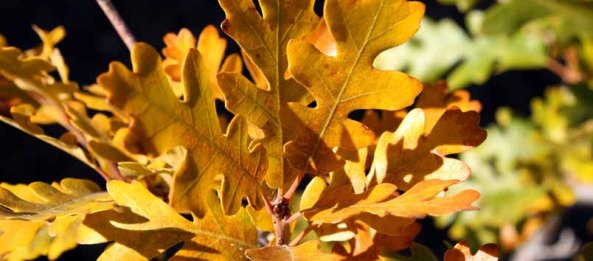
Our annual plea for sustainable fall landscaping care has been recycled below.
by Joanne Mullowney
The first frost has come and gone and today it is sunny, humidity-free and gorgeous. We love autumn. We are finally leaving the hot, sticky days of summer behind for the cooler, more breathable days of fall. Soon the neighborhood trees will blanket the ground with their last gift of the growing season. This seasonal leaf drop can recharge your landscape and create habitat for wildlife. So, don’t treat your leaf litter as trash, but rather as the gift that it truly is to the millions of tiny creatures that are a part of our gardens’ ecosystems.
The Benefits of Leaf Litter
Raking up and disposing of our leaves, chopping down dead flower stalks and grasses all contribute to a manicured appearance which we have been conditioned to think of as the norm. However, in nature, trees don’t drop their bounty at the curb for pick up, but rather they blanket the earth while providing a host of ecological benefits.
Leaves provide an insulating winter cover in the garden for plants and those tiny creatures that sustain life in the garden. We encourage you to mulch with fallen leaves. Wherever possible, leave them to decompose where they fall in your garden beds. Or settle the leaves under the branches of your shrubs. Give it a year or so and your leaf litter will have broken down while providing mulch and increasing the soil’s water retention abilities.
You can also rake out some of the leaves from the beds that are simply too much and might smother tender plants and cause them to rot over the winter. Add them to the compost pile or the leaf pile on the lawn while the rest remain in the beds. Then take your mulching mower and chop them up into small pieces. Rake up most of the chopped leaves and place them back in the garden around shrubs and plants. Now that they are greatly reduced in volume they contribute to the more manicured look that suburban mores demand. The remainder can stay on your lawn and decompose there. Do this as needed until the end of the season and the leaves will break down over the winter providing your soil with valuable nutrients all the while enhancing wildlife habitat. One incidental benefit is that of reduction of Township resources allotted to fall cleanup, saving taxpayer dollars.
While you might think that this leaves the yard looking a little less than perfect, you are nourishing the landscape and providing valuable resources and habitat for wildlife.
The Benefit of Providing Habitat
This somewhat messy yard contributes yet another important benefit – habitat. While not a traditional concern of the average gardener, we believe it should be. Did you know that despite its not so perfect look, leaf litter provides an important foraging space and shelter for a wide variety of birds, small mammals and insects? Also providing benefit is the untrimmed garden where ladybugs and lacewings reside in native grasses and pollinating bees settle in hollow plant stems. Butterflies and moths winter in chrysalides on the ground and baby spiders hide out amid the decaying plant stems. Birds feed from dried seed heads in winter.
Some wildlife use the leaf litter and other dead vegetation to insulate them from winter’s chill, while others, such as earthworms feed on the litter, breaking it into smaller pieces. Bacteria and fungi in turn convert theses smaller pieces into nutrients which then sustain neighboring plants. They in turn help support biodiversity by becoming food themselves. Toads, beetles, ladybugs and much more also live in your backyard’s leaf litter. Each is an integral part of the food web.
Support Wildlife Thru Your Not So Perfect Yard
 We recommend the following practices from the Habitat Network to help you in your quest to provide habitat and reduce your ecological impact. Adopting good practices in the fall also leaves you well set for spring in the garden.
- Leave your leaves on the property (Leaves are too valuable a resource to dispose of!)
- Leave them in the garden beds when you can, mow them or compost them.
- Allow dried flower heads of some of your garden favorites to stay standing in your garden.
- The dark stems and flower heads of some of our native flowers look gorgeous against the snow and nothing is more exciting than seeing our small winged friends feasting upon the seed heads.
- Let your ornamental grasses grow tall and seed.
- Don’t cut down your ornamental grasses. They provide shelter for the insects that pollinate our gardens and feed fledgling birds and other wildlife. Not to mention that they also look fabulous swaying in the wind. They make a fabulous addition to the fall (and winter) landscape.
- Build a brush pile with fallen branches instead of removing them.
- If you build it, they will come. This author no sooner established a small brush pile in a back corner in the yard and it was inhabited.
- Forget the chemicals. (This one is not hard. Just do it!)
- Finally, don’t be in a rush to begin your garden cleanup in the spring. Wait until after several 50℉ days to begin, when spring has really arrived, allowing overwintering pollinators to move on first. You gave them a home all winter; don’t yank it away from them too soon.
Vanishing Habitat
As habitat for wildlife is decreasing, so too is wildlife, and at an alarming rate. A recent National Wildlife Federation newsletter states: More than half the world’s wildlife has vanished since 1970.1 This includes mammals, birds, reptiles, amphibians, and fish. Quite simply, we’re destroying our planet’s ability to support our way of life.
Wildlife needs habitat to survive and we need to do a better job balancing the need to provide habitat for animals’ survival against commercial forces. Habitat requires food, water and shelter and even a small yard can support birds, butterflies, beneficial insects, and small animals thru proper landscaping and landscaping habits. They need more than lawn and it is important to provide trees, shrubs, and other plants (particularly native varieties and a topic for another post) that shelter and feed wildlife.
We ask you to adopt a somewhat messy yard and eschew the leaf disposal. Keep your leaves so that they can decompose naturally in your own yard and support the butterflies and other small insects that live in the leaf litter. To learn more about how we are promoting gardening for wildlife, take a look at our initiative – the Ewing Community Wildlife Habitat Project. During this season of renewal so essential to preserving the next generation of wildlife, we invite you to join with us and pledge to garden messy. Then put your feet up and enjoy the season.
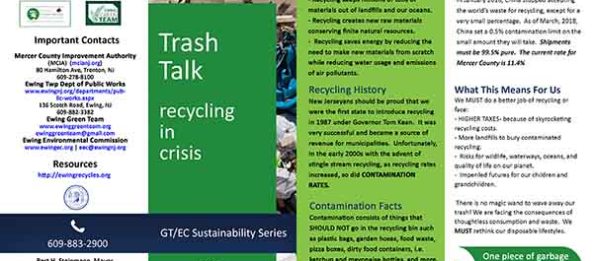
Printable brochure of sustainable fall landscaping tips.
- Source: Living Planet Report 2016 by World Wildlife Fund http://awsassets.panda.org/downloads/lpr_living_planet_report_2016.pdf
 Ewing Township Environmental Commission